Friday, March 31, 2017

Owl Pellet Lab

In this lab, we dissected an owl pellet to determine what type of animal the owl had consumed. We broke down the owl pellet and separated the fur from the bones and based off of the bone structures, we figured out what type of animal the owl had ingested.

Lower Jaw
The organism we observed was a vole. We were able to come to a conclusion based on the skull & lower jaw length. The length of the skull was about 20mm and the lower jaw was about 18 mm. Both were pretty close in length in the diagram for a vole. Another giveaway was the space between the teeth and the molars in the mouth.
Skull

Bones
The anatomy of this rodent is rather similar to one of a human as some if its basic bones matched up. Some of the bones included the skull, femur as well as tibia and fibula.
Also, the vole and humans body have similar structure as it went from the skull all the way down to the legs. We also noticed some bones that were the ball and socket join which is similar to humans. These connect to the hip and allows movement.
An obvious difference between the vole and humans is the skull and the jaw. Our skull is not as long and sharp as the vole and our teeth are more evenly spaced apart. The vole had a gap between the molars and the rest of the teeth. Also, voles has tails which make up for the many tiny bones we found. Most of the tiny bones were broken down and pretty indistinguishable. Lastly, the bones of a vole is way skinnier and tinier in comparison to human bones.


Thursday, March 16, 2017

Unit 6 Reflection


In this unit, we learned about our brains, senses, nervous systems and how neurons work, and also Central & Peripheral Nervous System Disorders. 
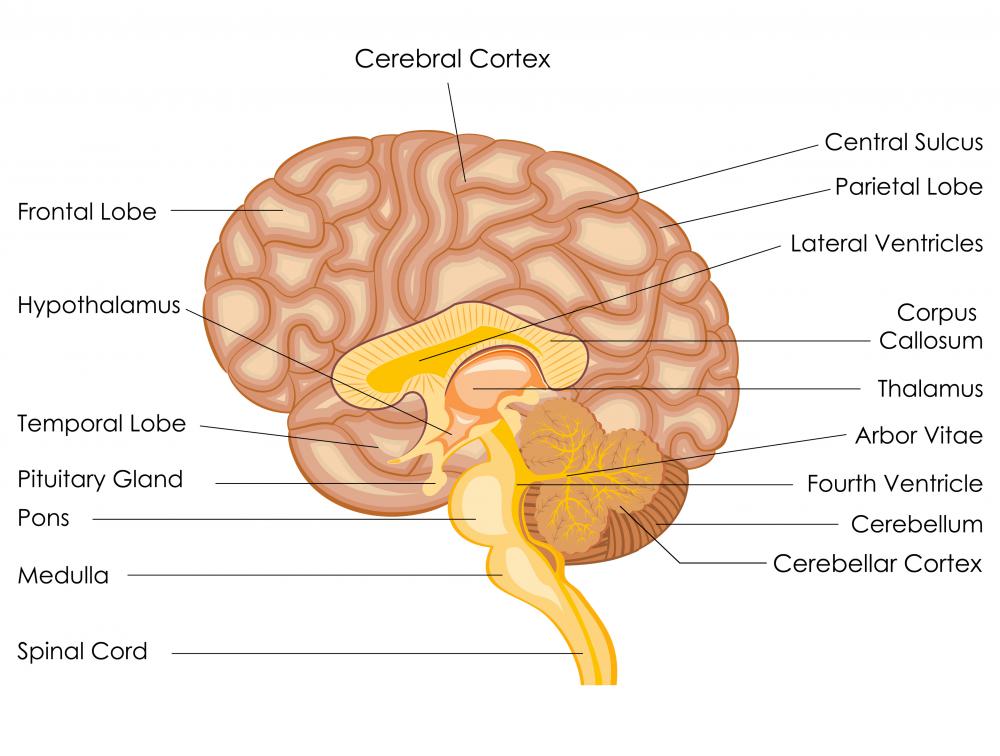
The three main parts to our brain are the cerebellum, spinal cord and cerebrum. The left and right brain is connected by the corpus callosum. The left side of our brain mostly deals with language, math reasoning, and logic. While the right side is for facial recognition and picture context. The cerebral cortex contains multiple lobes and controls the high function like thought and action. There is a frontal lobe that deals with speaking & muscle movements, making plans and judgments. The parietal lobes include the sensory cortex. The occipital lobe receive visual info from the opposite visual field. And the temporal lobes include auditory areas and receive info from the opposite ear. In the article "How to Become a 'Superager'" they found that critical brain regions increase in activity whenever people perform difficult tasks. Whether it is physical or mental pushing past the discomfort of exertion means that we are building muscle and discipline. It is also good to take on things that are tough mentally or physically rather than avoid it. We did a brain lab with a sheep's brain and that really helped me visualize the different parts of the brain. Being able to physically hold and pin each part of the brain allowed me to see how compact the brain really is and how essential each part is.
In the article "Fit Body, Fit Brain and Other Fitness Trends" it mentioned in order to live lon, age well and maintain a. sharp brain we must be physically active. Exercise in any form can increase the number of. new neurons and help sharpen thinking skills and mood and helps reduce the fraying and shortening of our telomeres.
Image result for cerebral cortex

The five different senses are vision, hearing, touch, taste and smell. Senses receive info directly from our surrounding and deliver it to the Central Nervous System. All the different senses involve receptors like thermoreceptors which deals with temperature, nociceptors which deals with pain, photoreceptors deals with light rays, chemoreceptors deal with chemicals and mechanoreceptors deal with movement & pressure. Special senses have their own organ and somatic is just the body. Sensation is the process where the CNS receives the input from the environment via sensory neurons. Perception is the process by which the brain interprets & organizes sensory info to dictate proper motor response.
We did a lab with a sheep eye which helped me visualize the different parts of the eye. It is so interesting being able to look beyond the lens and see how our vision works. Being nearsighted, it is fascinating to know that the image lands in front of the retina and how contacts can help change this and make my vision less blurry. There are three parts to the ear, external middle and inner.They all help direct sound waves into the ear canal and vibrates onto the cochlea depending on frequency. A Choclear implant helps people hear by bypassing damaged regions of the ear and directly stimulating the auditory nerve. I have heard of this implant working on people who have hard of hearing and this really allows them to hear more clearly and is pretty astonishing. Smelling starts with chemicals dissolved in the air, enters the nose which stimulates the olfactory hairs and sends the message along the olfactory nerve to the brain. Taste starts from taste receptors on taste cells that are found within a taste bud and goes all the way to the basal end of the taste cell to form a synapse with a primary sensory neuron.

The central nervous system deals with the brain and spinal cord while the peripheral nervous system includes all the nerves. Within the peripheral nervous system is the somatic and autonomic nervous system. The somatic is divided into sympathetic which is triggered by the fight or flight response and the parasympathetic counterbalances the effect of the sympathetic. The autonomic nervous system helps regulate essential parts of the body but is automatic so we don't have to think about it. The neuron is highly specialized to transmit messages from one part of the body to another. The dendrites receive the impulses and move it toward the cell body. The axons conduct the impulses away from the cell body. The synaptic cleft helps to separate the axons & dendrite from each other. At the end of the neuron is the axon terminal which passes the signal from one neuron to the next. There are many neurons located throughout the body and they all specialize in different jobs.

Image result for picture of neuron
With every system in the body, there are dysfunctions that can happen to it. A few common CNS disorders include meningitis, cerebral palsy, epilepsy, ALS, Parkinson's, and Alzheimer's. PNS disorders include shingles, carpal tunnel, bell's palsy and neuralgia. 
We also learned about addiction and how it actually is a disease despite how society views of it. Addiction is the dysfunction of the brain itself but the treatment for it is not the same as a disease of some other body part. The brain structure, pathways, and chemicals change as a result of addiction which can be triggered by anything. 
I found this unit easier to understand compared to the last one because the different concepts were easier to grasp. 
In my New Year Goals , I only set two goals for myself which I have been keeping up pretty well with. I have been starting my homework at an earlier time and am sleeping earlier as a result. With my fitness goal, I have been consistently working out 3-5 times a week and have been trying to switch up my workouts. I have recently started running with my friend at least once a week instead of always running on the treadmill all the time. This pushes me to continue working toward this goal and help me stay motivated.

Wednesday, March 15, 2017

Reflex Lab

In this lab, we tested how our reflexes would react to different stimulus. Reflexes are rapid, predictable and involuntary responses to stimuli. There are somatic and autonomic reflexes. Somatic stimulates skeletal muscles while autonomic regulate smooth muscle and control much more organs.

Photopupillary Reflex
We shined a flashlight into our partner's eyes after they kept them shut for a few minutes. The sudden influx of light caused the reflex to contract the iris which caused the pupil to constrict. We observed the pupil constricting slightly when the flashlight was shone directly on the eye. I think humans have this reflex so we can see better when we transition from different environments. This reflex controls the amount of light that enters the eye by constricting the pupils in bright situations and dilating in the dark.

Knee Jerk Reflex
The knee jerk reflex is typically located right below the knee and when struck with a reflex hammer or hand the leg will kick out significantly. We noted this during the lab and got the reflex when we found where the reflex was exactly located. I think the knee jerk reflex helps us maintain our balance. When we lose our balance, this reflex allows the quads to contract and regain our balance.

Blink Reflex
The blink reflex allows us to blink when something is thrown directly at our eyes. We observed this when throwing a cotton ball at my partner's face and they blinked every single time. Even though there was a clear barrier right in front of them, they still blinked. I think we have this reflex to protect our eyes and to prevent things from getting into it like the cotton ball in this activity.

Babe, what's your sign?
We took a pen and dragged it across the foot from the heel all the way to the base of the big toe. The toes are supposed to flex and move closer together. We both noticed that this happened in our feet when we dragged the pen across. I think this occurs to prevent further damage to the base of the foot in case of danger. I think it can also help test for neurological dysfunctions.

How Fast Are You?
In this activity, we measure our response time to something we see. We took a ruler and dropped it unexpectedly for each other to catch. We noted the distance when the person caught the ruler and then converted it into time. Then, we did the same activity but this time the other person was not so focused on catching the ruler because they had to be texting. In the end, the results showed that while texting, our response time increased. Mine increased by 0.084 seconds which is a lot because this correlates with texting and driving. Our reaction time is reduced so we are less likely respond in a timely matter which can be extremely dangerous. Also, men have a faster reaction time compared to women because they have more white matter in their brains.


Wednesday, March 8, 2017

Sheep Brain Dissection

In this lab, we examined different brain structures that was visible from the outside as well as within the cross section. The brain was encased by the meninges so we first removed that. It is a very thin and shiny membrane that surround the brain and protects the brain as well as spinal cord. Then, we identified the anterior and posterior sides as well as the cerebrum, cerebellum and the brain stem. Then, we cut longitudinally into the brain so that we had a cross section view of it. We looked for the thalamus, optic nerve, medulla oblongata, pons, midbrain, corpus callosum, and the hypothalamus. Finally, we cut the cerebrum in half to identify gray vs white matter. Being able to physically examine and dissect the brain really allowed me to understand the different parts to the brain and how the function together.
The myelin in a neuron increases the speed of electrical impulses so they can transmit much quicker and more efficient.
Structures
Function
Cerebrum
Sensory & neural functions as well as initiation & coordination of voluntary activity
Cerebellum
Coordination & regulation of muscular activity
Brain stem
Controls flow of message that happens between the brain and the body, also controls basic body functions like breathing
Thalamus
Regulates body’s voluntary motor control, consciousness, as well as sleep/wake cycle
Optic nerve
Transfers visual information from the retina to the brain
Medulla oblongata
Helps regulate breathing, heart, blood vessel, digestion, sneezing & swallowing
Pons
Controls breathing, helps communication within different parts of the brain and sensations such as hearing, taste and balance
Midbrain
Involved with vision, hearing, motor control, sleep/wake, alertness and temperature regulation
Corpus callosum
Connects the left & rights side of the brain, allows them to communicate
Hypothalamus
Links the nervous to the endocrine system
Brain with meninges attached


Monday, March 6, 2017

Sheep Eye Dissection Analysis

In the sheep eye dissection, we went through and examined the different parts of the eye. On first glance, we noticed the cornea, fatty tissue, optic nerve, sclera and extrinsic muscles. The cornea is the first layer of the eye and shields the eye from potential harm. The fatty tissue lines the eye and helps cushion it. The optic nerve is located in the back of the eye and transfers information from the retina all the way to the brain. The sclera is the white of the eye and also protects the eye from injury. The extrinsic muscles help the eye move in different directions.
Then, we cut the eye in half and examined the inside parts. The very top of the photo shows the part of the eye that contains the retina and choroid. The retina is a very thin layer that lines the back of the eye and receives light which turns into signals and forwards them to the brain for visual recognition. It is attached to the choroid at the blind spot. At this very spot, all the nerve fibers leave the retina and come together to form the optic nerve which should be directly behind this spot. The choroid provides nourishment to the eye and is pretty dark in color and thin. Also, because of its dark color it absorbs light so it is not reflected around within the eye. In the sheep eyeball, it contains the tapetum lucidum which reflects light onto the retina. It helps animals with night vision since it can reflect light even with low intensities and is often shiny with a bluish color.
The middle part shows the lens, ciliary body, suspensory ligaments, and the vitreous humor. The lens is typically transparent and should be convex shaped as well as somewhat elastic. It is held in place by the suspensory ligaments.These ligaments eventually join with the smooth muscle which contain ciliary body. Ciliary body helps produce aqueous humor and also contains muscles that help change the shape of the lens as we view different things. The vitreous as well as aqueous humor help maintain the shape of the eye.
In the bottom, we can see the pupil and iris. The pupil is the hole in the eye and helps regulate the amount of light that enters into the eye. It gets bigger when there is less light and gets smaller when there is too much light. The iris is on the backside of the pupil and controls the size of the pupil and also gives us our eye color.