In this unit, we learned about our brains, senses, nervous systems and how neurons work, and also Central & Peripheral Nervous System Disorders.
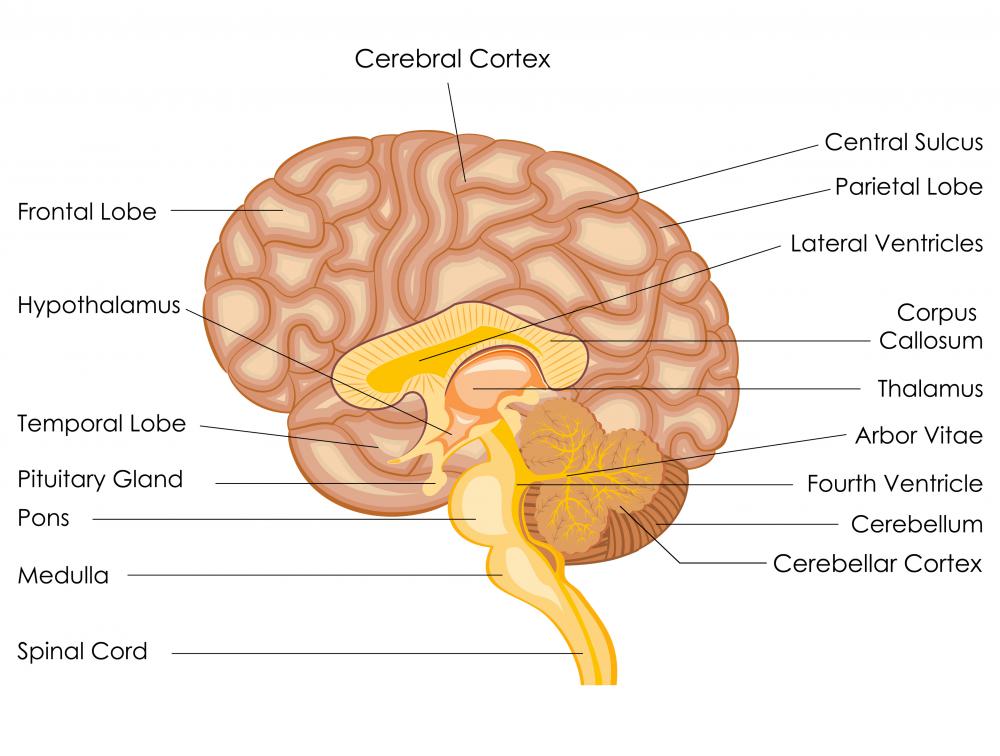
The three main parts to our brain are the cerebellum, spinal cord and cerebrum. The left and right brain is connected by the corpus callosum. The left side of our brain mostly deals with language, math reasoning, and logic. While the right side is for facial recognition and picture context. The cerebral cortex contains multiple lobes and controls the high function like thought and action. There is a frontal lobe that deals with speaking & muscle movements, making plans and judgments. The parietal lobes include the sensory cortex. The occipital lobe receive visual info from the opposite visual field. And the temporal lobes include auditory areas and receive info from the opposite ear. In the article "How to Become a 'Superager'" they found that critical brain regions increase in activity whenever people perform difficult tasks. Whether it is physical or mental pushing past the discomfort of exertion means that we are building muscle and discipline. It is also good to take on things that are tough mentally or physically rather than avoid it. We did a brain lab with a sheep's brain and that really helped me visualize the different parts of the brain. Being able to physically hold and pin each part of the brain allowed me to see how compact the brain really is and how essential each part is.
In the article "Fit Body, Fit Brain and Other Fitness Trends" it mentioned in order to live lon, age well and maintain a. sharp brain we must be physically active. Exercise in any form can increase the number of. new neurons and help sharpen thinking skills and mood and helps reduce the fraying and shortening of our telomeres.
The five different senses are vision, hearing, touch, taste and smell. Senses receive info directly from our surrounding and deliver it to the Central Nervous System. All the different senses involve receptors like thermoreceptors which deals with temperature, nociceptors which deals with pain, photoreceptors deals with light rays, chemoreceptors deal with chemicals and mechanoreceptors deal with movement & pressure. Special senses have their own organ and somatic is just the body. Sensation is the process where the CNS receives the input from the environment via sensory neurons. Perception is the process by which the brain interprets & organizes sensory info to dictate proper motor response.
We did a lab with a sheep eye which helped me visualize the different parts of the eye. It is so interesting being able to look beyond the lens and see how our vision works. Being nearsighted, it is fascinating to know that the image lands in front of the retina and how contacts can help change this and make my vision less blurry. There are three parts to the ear, external middle and inner.They all help direct sound waves into the ear canal and vibrates onto the cochlea depending on frequency. A Choclear implant helps people hear by bypassing damaged regions of the ear and directly stimulating the auditory nerve. I have heard of this implant working on people who have hard of hearing and this really allows them to hear more clearly and is pretty astonishing. Smelling starts with chemicals dissolved in the air, enters the nose which stimulates the olfactory hairs and sends the message along the olfactory nerve to the brain. Taste starts from taste receptors on taste cells that are found within a taste bud and goes all the way to the basal end of the taste cell to form a synapse with a primary sensory neuron.
The central nervous system deals with the brain and spinal cord while the peripheral nervous system includes all the nerves. Within the peripheral nervous system is the somatic and autonomic nervous system. The somatic is divided into sympathetic which is triggered by the fight or flight response and the parasympathetic counterbalances the effect of the sympathetic. The autonomic nervous system helps regulate essential parts of the body but is automatic so we don't have to think about it. The neuron is highly specialized to transmit messages from one part of the body to another. The dendrites receive the impulses and move it toward the cell body. The axons conduct the impulses away from the cell body. The synaptic cleft helps to separate the axons & dendrite from each other. At the end of the neuron is the axon terminal which passes the signal from one neuron to the next. There are many neurons located throughout the body and they all specialize in different jobs.

With every system in the body, there are dysfunctions that can happen to it. A few common CNS disorders include meningitis, cerebral palsy, epilepsy, ALS, Parkinson's, and Alzheimer's. PNS disorders include shingles, carpal tunnel, bell's palsy and neuralgia.
We also learned about addiction and how it actually is a disease despite how society views of it. Addiction is the dysfunction of the brain itself but the treatment for it is not the same as a disease of some other body part. The brain structure, pathways, and chemicals change as a result of addiction which can be triggered by anything.
I found this unit easier to understand compared to the last one because the different concepts were easier to grasp.
In my New Year Goals , I only set two goals for myself which I have been keeping up pretty well with. I have been starting my homework at an earlier time and am sleeping earlier as a result. With my fitness goal, I have been consistently working out 3-5 times a week and have been trying to switch up my workouts. I have recently started running with my friend at least once a week instead of always running on the treadmill all the time. This pushes me to continue working toward this goal and help me stay motivated.

No comments:
Post a Comment